
How to Choose a Reliable Transport and Logistics Company in Kenya
Reliability in transport comes down to communication, the right vehicle and honesty about what a carrier can and cannot do. The questions to ask before you hand over your goods.
By Cleantique SolutionsPublished 4 min read
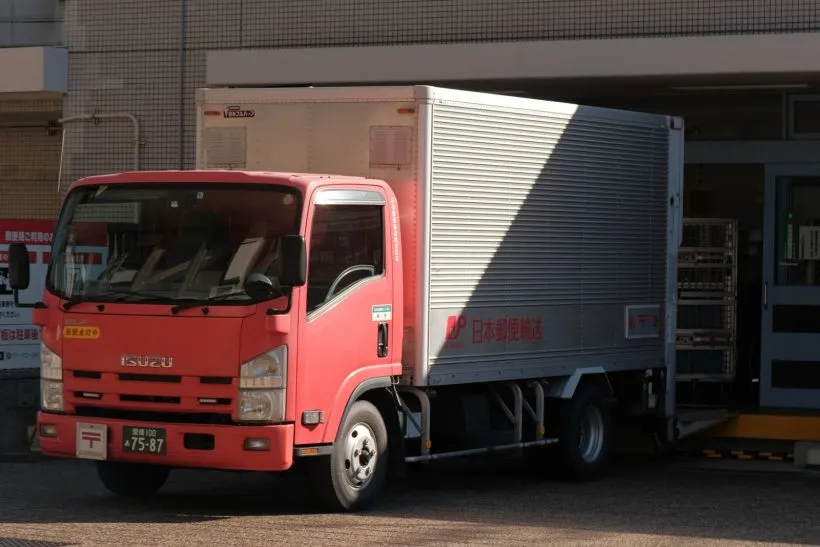
Whether you are a retailer sending stock to branches, a contractor delivering materials to a site, or an individual moving a few large items, choosing the right transport partner matters. A late delivery can mean a lost sale, an idle construction crew or an unhappy customer. Damaged goods cost money and reputation.
This guide sets out what to look for, the questions to ask and how to compare transport providers in Kenya.
What “reliable” actually means
A reliable transport partner:
- Turns up when agreed, within a confirmed collection window rather than “sometime tomorrow”.
- Sends the right vehicle for the size, weight and type of load.
- Handles goods properly, with secure loading and protection from rain and damage.
- Communicates, with a call before arrival and confirmation on delivery.
- Provides proof of delivery, such as a signed delivery note.
- Is honest about limits, and tells you if a load needs a specialist carrier.
- Gives you one point of contact who knows your job.
Questions to ask before you book
| Question | Why it matters |
|---|---|
| What vehicle will you send for this load? | The wrong vehicle means multiple trips, damage or a failed collection |
| What is the collection window and how will I know the driver is coming? | Lets you plan staff and loading |
| Who loads and offloads? | Avoids disputes and delays at each end |
| How will the load be secured and protected? | Straps, covers and separation of fragile goods prevent damage |
| How do I get proof of delivery? | Essential for business records and disputes |
| What goods can you not carry? | Hazardous, refrigerated and permit-only goods need specialists |
| Is there any goods-in-transit cover, and what does it include? | So you know your exposure and can arrange your own insurance if needed |
| How do you handle delays or problems on the road? | Good carriers tell you early |
| Can you offer a regular schedule? | Useful if you send goods weekly or more |
Match the provider to your needs
Occasional, one-off deliveries
You need flexibility, a quick quote and the right vehicle on the day. Look for clear communication and a confirmed collection window.
Regular distribution
You need consistency: the same days, ideally the same vehicle and driver, predictable pricing and simple reporting. A contract arrangement usually works better than booking each run separately.
Construction and site deliveries
You need a carrier who understands site access, restricted delivery hours, and how to handle heavy and awkward materials safely.
Specialist goods
Refrigerated goods, hazardous materials, live animals and abnormal loads need specialist carriers with the right equipment and permits. A general goods carrier should tell you this upfront.
How to compare transport quotes
Ask each provider to quote for the same job, with the same details:
- Goods, packaging, weight and volume.
- Collection and delivery addresses and access.
- Collection date and delivery deadline.
- Loading and offloading requirements.
- Number of drops.
Then compare:
- Vehicle type and size.
- What is included: loading, offloading, waiting time, tolls.
- Collection window and communication.
- Proof of delivery.
- Cover for goods in transit.
- Price.
The cheapest quote may assume a smaller vehicle, exclude loading or charge for waiting time. Read what affects the cost of goods transportation.
Warning signs
- A price without asking what the goods are, how much they weigh or where they are going.
- No confirmed collection time.
- Reluctance to provide a delivery note or confirmation.
- Agreeing to carry anything, including goods that clearly need special handling.
- Hard to reach once the goods are on the road.
- Brokers who pass your job to whoever is available without telling you.
Preparing your goods for a smooth delivery
Even the best carrier depends on good preparation:
- Pack goods securely in sealed cartons or on pallets, and mark fragile items.
- Label cartons with the consignee and number of pieces.
- Prepare a delivery note listing goods and quantities.
- Give the carrier the consignee's name and phone number.
- Make sure someone is available to load and receive.
- Have any paperwork ready, such as invoices for commercial goods.
Building a good working relationship
For regular transport, the best results come from a relationship rather than a series of one-off bookings:
- Share your schedule and forecasts so the carrier can plan vehicles.
- Agree a simple reporting format.
- Review performance regularly.
- Give feedback quickly when something goes wrong, and when it goes right.
Frequently asked questions
Should I use a broker or a carrier?
A broker arranges transport through other carriers. A carrier provides the transport service directly. Either can work, but ask who will actually carry your goods and who you will deal with if something goes wrong.
How much notice should I give?
For local deliveries, a day is usually enough, and same-day collection is often possible within Nairobi if you call early. For larger loads or longer routes, give more notice.
What if goods are damaged in transit?
Note the damage on the delivery note at the time of delivery, take photos and report it to the carrier immediately. Check what cover applies before you book.
Need goods moved in or from Nairobi? Read about our transport and logistics service or request a quote.
About this guide
Written by the Cleantique Solutions team for homes and businesses in Nairobi. It is general guidance, not a substitute for an inspection or professional advice about your specific property. If anything here is unclear or out of date, tell us at hi@cleantique.co.ke.