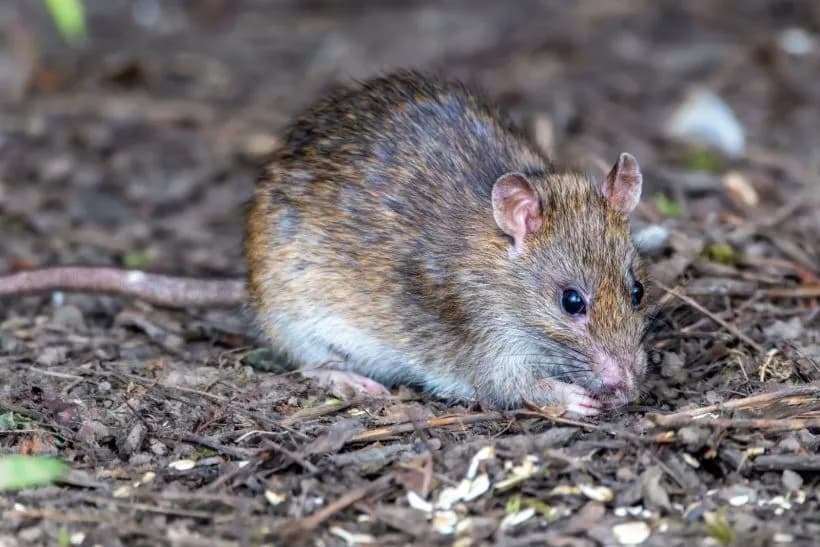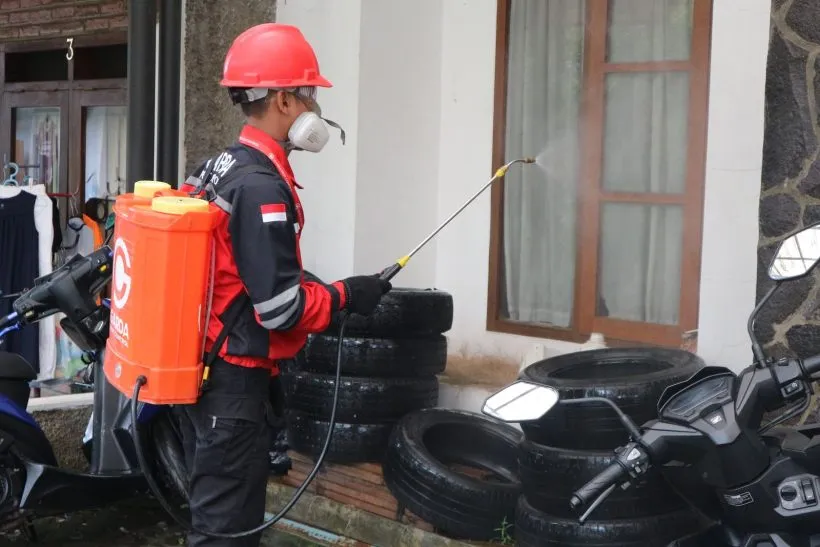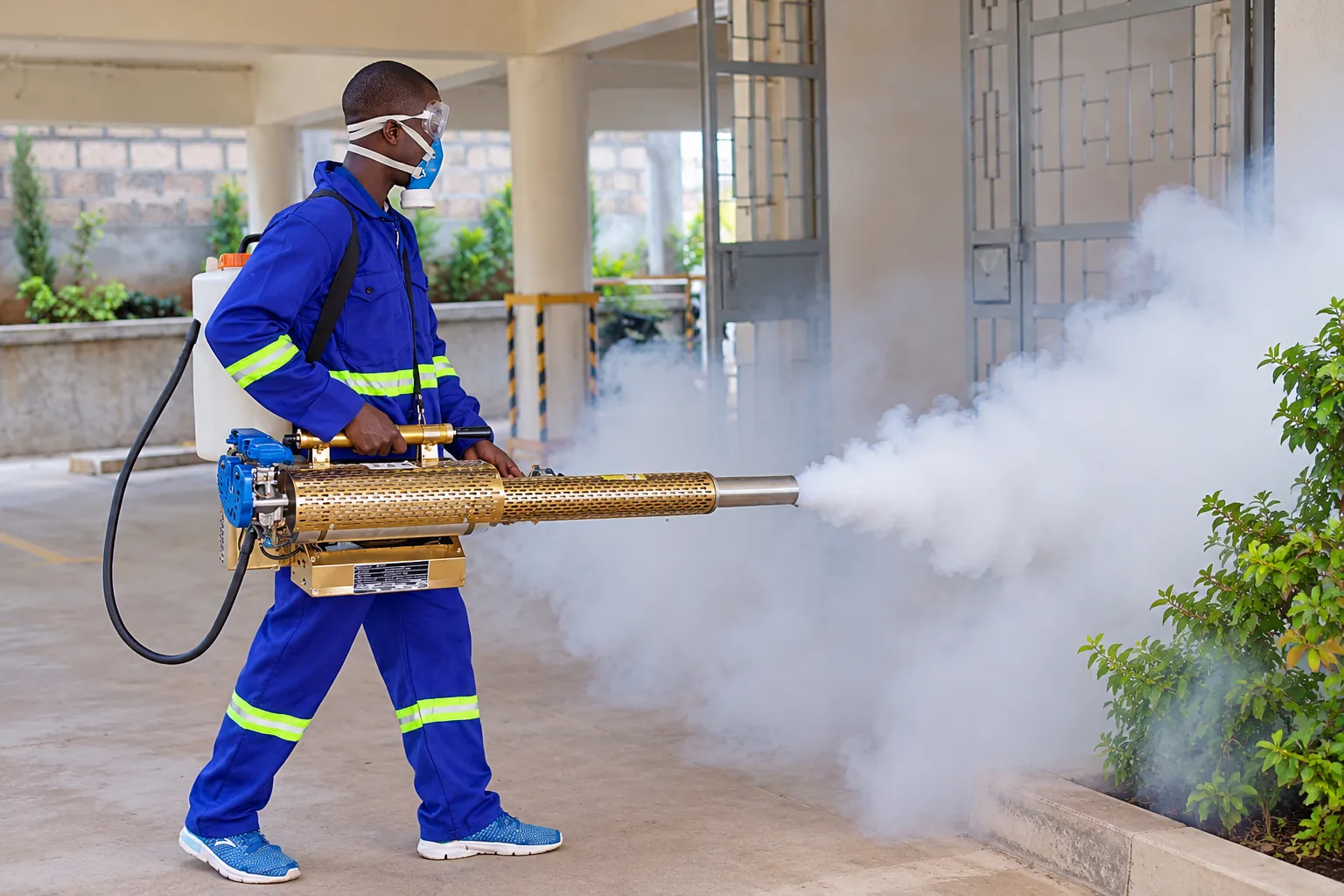
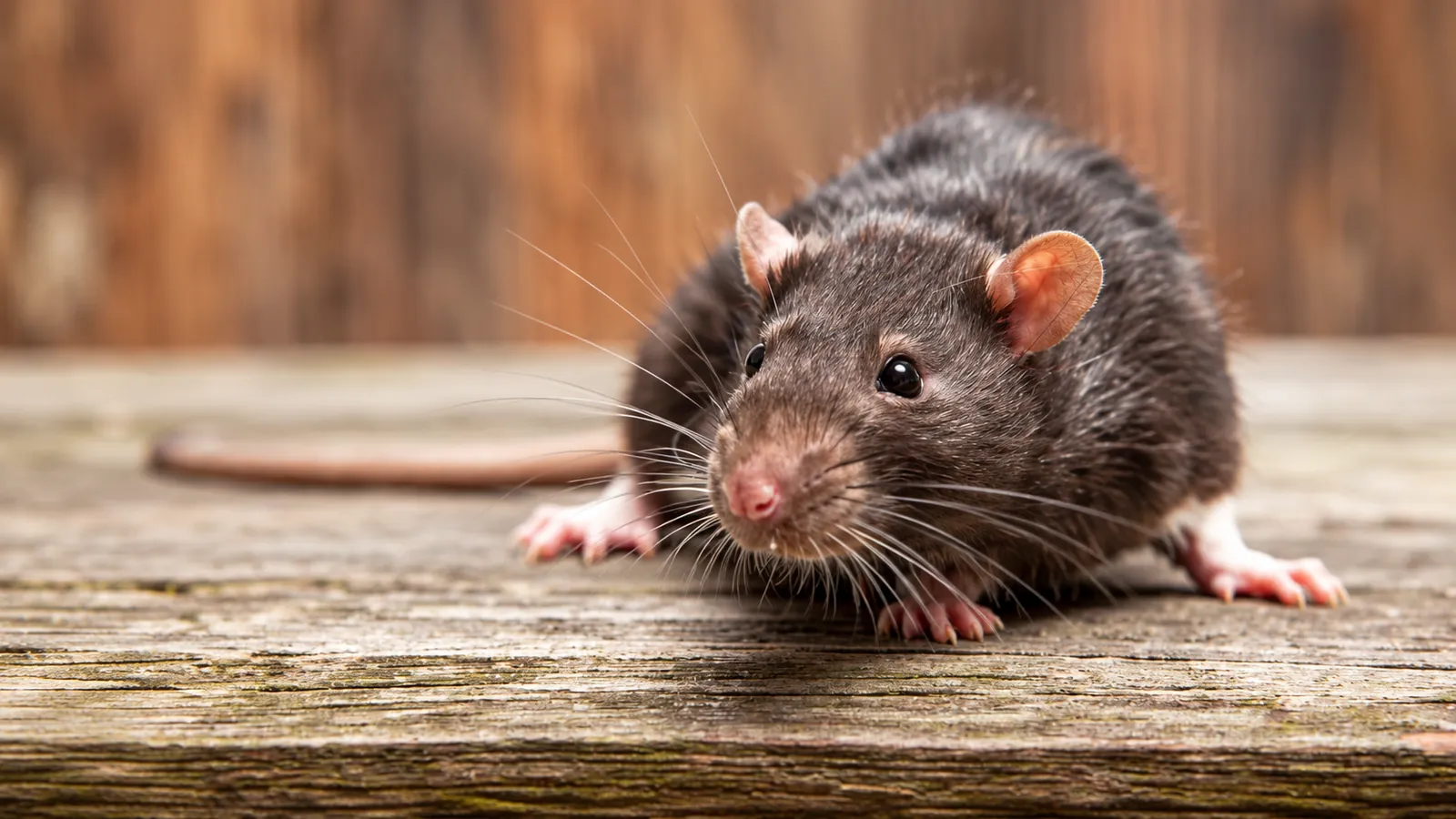
Rats and mice are common in Nairobi homes, estates, offices, shops and warehouses, especially near rubbish collection points, drains, markets and building sites. They are drawn by food and shelter and they are very good at finding a way in. A mouse can squeeze through a gap the width of a pen. A young rat needs a gap about the size of a two-shilling coin.
Rodents are a health and safety issue as well as a nuisance. They contaminate food and surfaces with droppings and urine, chew packaging and stock, damage doors and drains, and gnaw electrical cables, which is a fire risk.
Signs of rodent activity
- Droppings along walls, in cupboards, behind appliances or in ceiling spaces.
- Gnaw marks on doors, skirting, food packaging, plastic pipes and cables.
- Greasy smear marks along walls and skirting where rodents run regularly.
- Scratching or scurrying in the ceiling or walls at night.
- Nests made of shredded paper, fabric or insulation in quiet corners.
- Burrows in the compound, under slabs or beside drains.
- Pets behaving oddly, staring at a wall or pawing under appliances.
Rats or mice?
| Rats | Mice | |
|---|---|---|
| Droppings | Around 15 to 20mm, blunt ends, concentrated in a few spots | Around 5mm, pointed, scattered widely |
| Entry gap needed | About 20mm | About 6mm |
| Where they nest | Burrows outside, drains, roof voids, under rubble | Inside wall cavities, behind appliances, in stored boxes |
| Behaviour | Cautious of new objects, so bait can take days to be taken | Curious, nibble constantly, so many small bait points work better |
| Main risks | Chewed cabling, contaminated stores, damaged drains | Contaminated food, chewed packaging, rapid breeding |
How we deal with rodents
- Survey. We follow droppings, runs and gnaw marks to understand how rodents are getting in, how many there are and what is feeding them.
- Entry-point identification and proofing. We check pipe and cable entries, door bottoms, roof eaves, air bricks, drain covers and gaps behind kitchen units. We close small gaps where practical and give you a written list of anything that needs a builder.
- Trapping and secure baiting. Depending on the site, we use traps, bait inside tamper-resistant stations, or both. Stations go where rodents run, not where they are convenient, and every placement is recorded.
- Monitoring. We check stations on return visits, replace bait where it is being taken and adjust placement.
- Removal and sign-off. We remove carcasses we can reach and confirm that activity has stopped before closing the job.
We do not publish bait placement instructions. Rodenticides are toxic to people, pets and wildlife, and placement is a job for a trained technician.
Rodent proofing: the part that makes it last
If you only bait, you remove the rodents currently inside and leave the door open for the next ones. Proofing is part of every quote. Typical proofing work includes:
- Sealing gaps around waste pipes, water pipes and cable entries.
- Fitting or replacing door sweeps and brush strips on doors and roller shutters.
- Covering air bricks and vents with fine mesh.
- Replacing broken drain and manhole covers.
- Closing gaps under eaves and where the roof meets the wall.
Food storage and waste management
Rodents stay where there is food. Simple changes make a large difference:
- Store grain, flour, sugar and pet food in sealed hard containers, not sacks or bags.
- Keep stores off the floor on shelving with a gap from the wall so you can see behind it.
- Clear spillages and crumbs daily, including under kitchen units.
- Use bins with tight lids, and keep the bin area away from the building.
- Do not leave pet food out overnight.
- Clear rubble, timber and unused materials from the compound, which rats use as cover.
Safe handling of contamination
Rodent droppings and urine can carry disease. Do not sweep or vacuum dry droppings, which can raise dust. Wear gloves, wet the area with disinfectant, wait a few minutes, then wipe up with disposable paper and bag it. Wash hands thoroughly afterwards. In heavily contaminated stores or kitchens, a professional deep clean after treatment is a good idea.
Before we arrive
- Do not set out poison yourself. Unsecured bait is a risk to children and pets, and poisoned rodents may die in inaccessible places.
- Note where you have seen droppings, damage or activity, and at what time.
- Clear access to under-sink cupboards, store rooms and ceiling hatches.
- Tell us about pets, children and any food production on the premises.
After treatment
- Leave stations and traps exactly where they are; do not move or open them.
- Keep up food storage and waste changes so that bait is the most attractive food available.
- Report any smell, which may mean a carcass in a cavity.
- Arrange any building repairs on the proofing list.
Long-term prevention and follow-up
For homes, one treatment with a check visit and proofing is often enough. For food businesses, warehouses and estates with ongoing pressure from outside, a monitoring programme with regular station checks keeps the problem under control and gives you a record of activity.
What affects the price
| Factor | Effect |
|---|---|
| Size of the premises | More rooms, roof space and compound area mean more stations and survey time |
| Rats or mice | Rats are cautious and often need longer programmes |
| Number of entry points | Proofing time depends on how many gaps there are |
| Type of premises | Food businesses and warehouses may need records and out-of-hours work |
| Ongoing monitoring | Regular check visits are priced as a programme |
Common mistakes
- Using loose poison where pets or children can reach it.
- Baiting without proofing, so new rodents arrive as soon as the bait is gone.
- Leaving food sources available, so rodents ignore the bait.
- Sweeping dry droppings, which spreads contamination.
- Stopping too early. Rats can take days to accept bait.
Why use a professional
Rodent control is judged by whether they come back, not by how much bait was used. A professional reads the signs to find the entry points, uses traps and bait safely, records placements so nothing is abandoned on your property, and signs the job off on evidence rather than on the number of visits.
Areas we serve
We provide rodent control for homes, estates, offices, shops, restaurants and stores across Nairobi and nearby, including Embakasi, South B, South C, Westlands, Kilimani, Ruaka, Ruiru, Syokimau and Kitengela.