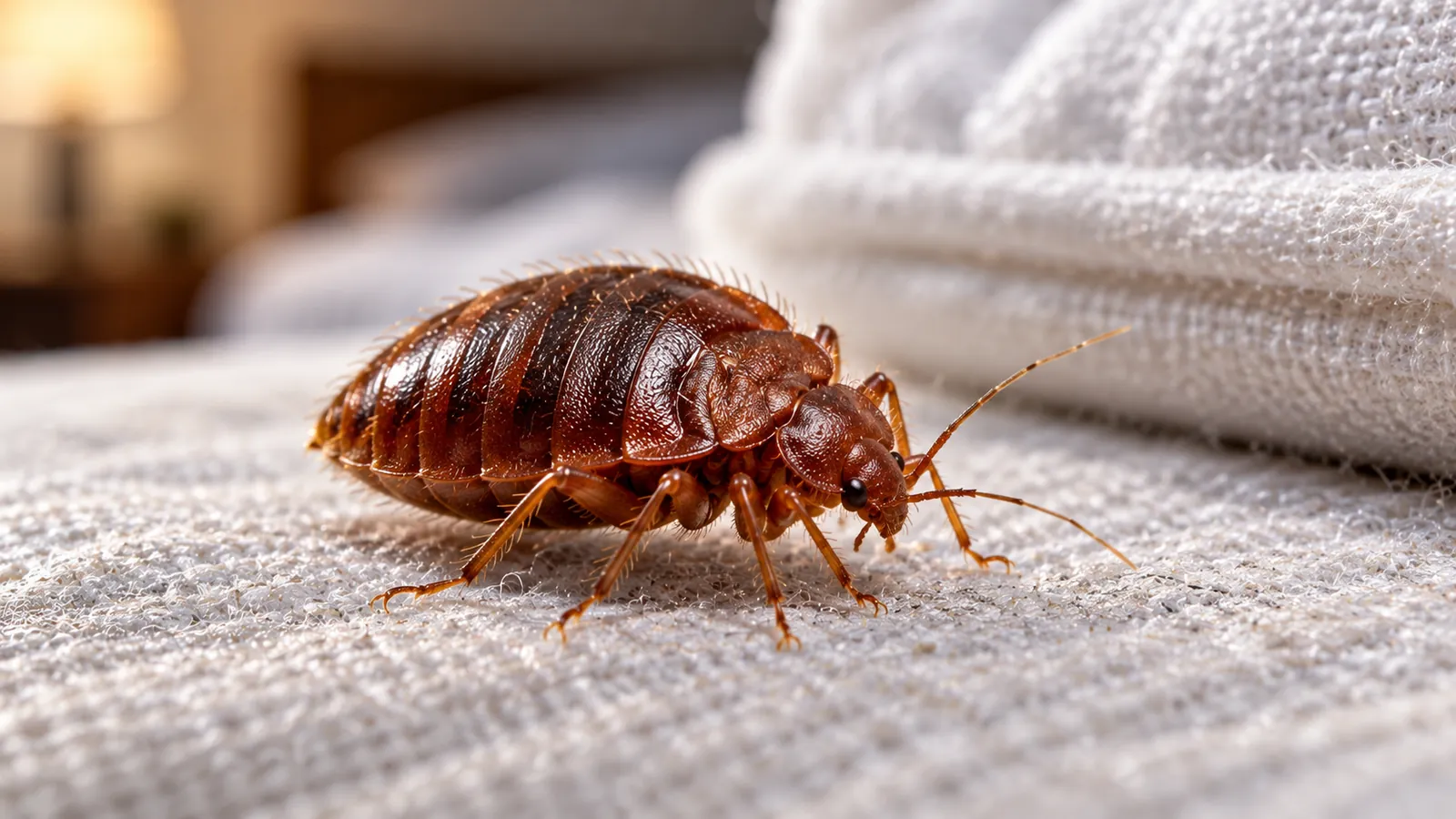
Bed bugs are small, flat, reddish-brown insects that hide in the seams of mattresses, the joints of bed frames and the cracks around a bedroom. They come out at night to feed on blood and then retreat. An adult is roughly the size of an apple seed. Young bugs and eggs are much smaller and very hard to see.
They are not a sign of a dirty house. They travel in luggage, handbags, school bags, second-hand furniture and on public transport, and they turn up in immaculate homes and good hotels. Nobody here will make you feel bad about calling.
How to tell if you have bed bugs
- Bites in a line or cluster, often on the arms, shoulders, neck or legs, that appear after sleeping. Bites alone are not proof, because people react differently and other insects bite too.
- Small dark spots on sheets, mattress seams and the bed frame. These are bed bug droppings and look like ink dots from a marker pen.
- Blood spots on sheets or pillowcases.
- Shed skins and pale, empty casings in seams and joints.
- Live bugs in mattress piping, behind the headboard or in the joints of a wooden frame.
- A sweet, musty smell in a heavily infested room.
If you are not sure, send us a clear photo of what you have found next to a coin for scale.
Where bed bugs hide
Treating only the mattress is the most common reason people believe “fumigation does not work on bed bugs.” Bed bugs live anywhere close to where people sleep or sit still:
- Mattress seams, piping, labels and the underside of the mattress.
- Bed frame joints, screw holes, slats and the back of the headboard.
- Bedside tables and drawer runners.
- Skirting boards, cracks in walls and gaps in floor joints.
- Behind wall sockets, switch plates, picture frames and loose wallpaper.
- Sofas and upholstered chairs, especially in homes where someone sleeps on the sofa.
- Curtains, luggage and bags kept in the bedroom.
How bed bugs spread
Bed bugs do not jump or fly. They crawl, and they hitch rides. They spread between rooms when people move bedding, clothes or furniture from an infested room, and between flats through wall voids and shared corridors. Moving house, carrying luggage back from travel, buying second-hand beds and sofas, and hosting guests are the most common routes.
Over-the-counter sprays often make spread worse, because bed bugs avoid treated areas and move to new hiding places, sometimes in other rooms.
How we treat bed bugs
- Inspection. We check the bed, frame, headboard, skirting, seating and surrounding furniture to find the harbourages and see how far the problem has spread, including neighbouring rooms.
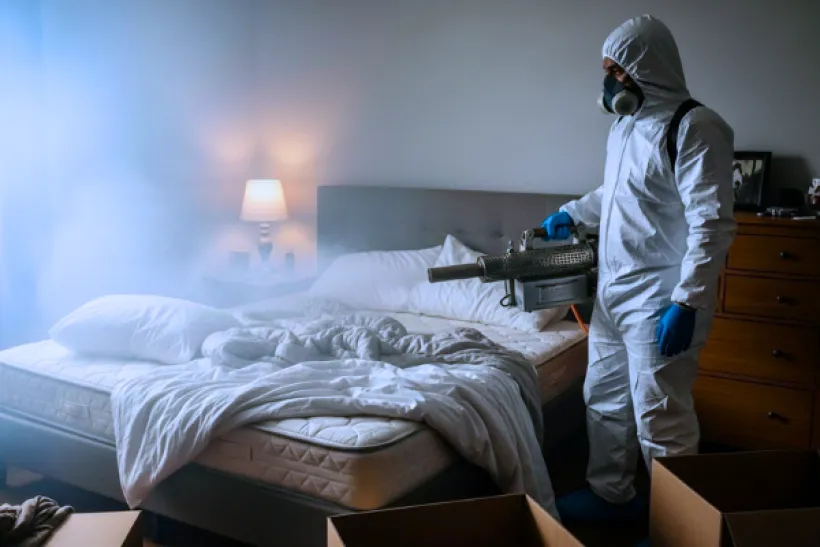
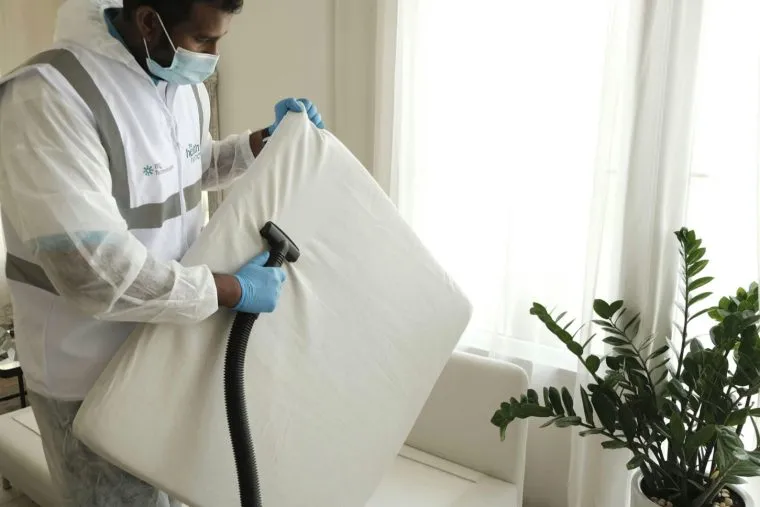
- First treatment. We use steam on suitable surfaces such as mattress seams and upholstery, then apply a residual treatment to frame joints, screw holes, skirting, cracks and furniture. The room stays empty for four to six hours.
- Second treatment. About 10 to 14 days later we return and repeat the treatment, catching the young bugs that hatched after the first visit. This is the visit that decides the outcome.
- Confirmation. At the second visit we check for live activity. If there is still evidence after the agreed window, we come back again.
Heat and chemical treatments
Bed bugs and their eggs are killed by sustained high temperatures. That is why hot washing and drying fabrics is part of your preparation and why we use steam on mattress seams and upholstery. Steam reaches the surface and just below it. Whole-room heat treatment, which raises the temperature of an entire room for several hours, is a different specialist service.
Residual chemical treatment keeps working in the cracks and joints where bed bugs hide, so bugs that hatch or emerge later still contact it. Each method has limits. Steam does not stay active after it cools, and residual products do not reliably reach eggs deep in crevices. Used together, with a second visit timed to the hatching window, they give the best chance of clearing the problem completely.
Preparing for bed bug treatment
Preparation makes a real difference. None of it is difficult.
| Before we arrive | What to do | Why |
|---|---|---|
| Bedding | Strip all bedding and wash at the hottest temperature the fabric allows, then dry thoroughly in a hot dryer or direct sun | Heat kills every life stage, including eggs |
| Clothing and fabrics | Bag everything from the affected room. Wash and dry hot, or keep sealed until after the second visit | Stops you carrying bugs to other rooms |
| Clutter | Clear the floor, empty bedside drawers and take items out from under the bed | We need access to skirting, frame joints and cracks |
| Furniture | Pull beds and sofas a little away from the wall if you can | The wall junction is a favourite hiding place |
| Pets and fish | Remove pet bedding and bowls, cover aquariums | Standard precaution for residual treatments |
| Sprays | Do not spray the room yourself | Sprays scatter bed bugs and make the job harder |
The US Environmental Protection Agency publishes a useful bed bug preparation guide that covers the same principles in more detail.
After treatment
- Stay out of treated rooms for the time we give you, then open windows and ventilate before sleeping there.
- Sleep in your usual bed. Bugs coming out to feed cross the treated surfaces.
- Do not move furniture or bedding to other rooms until after the second visit.
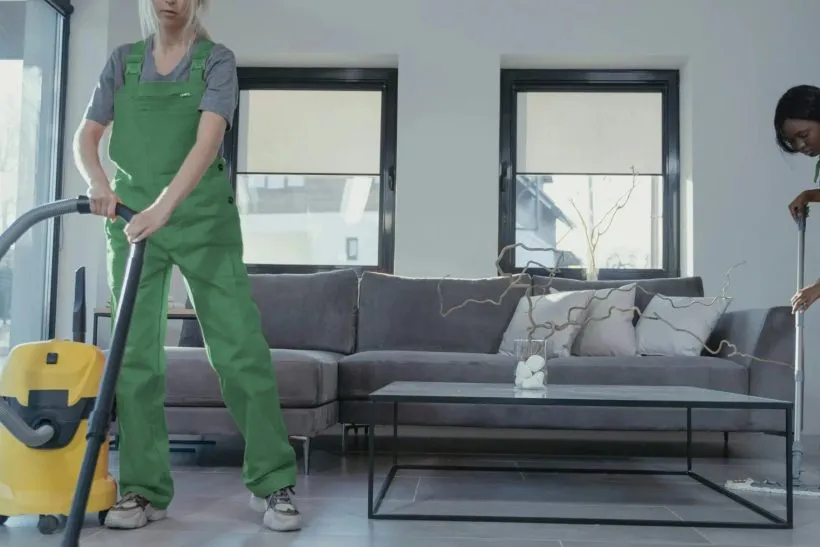
- Avoid vacuuming or mopping treated skirting and frame joints until we advise.
- Keep washed clothes sealed until the second treatment is complete.
- Note any bites or sightings and tell us at the second visit.
It is normal to see a few bed bugs in the days after the first treatment, especially young ones that hatch. That is why the second visit exists.
Moving house with bed bugs
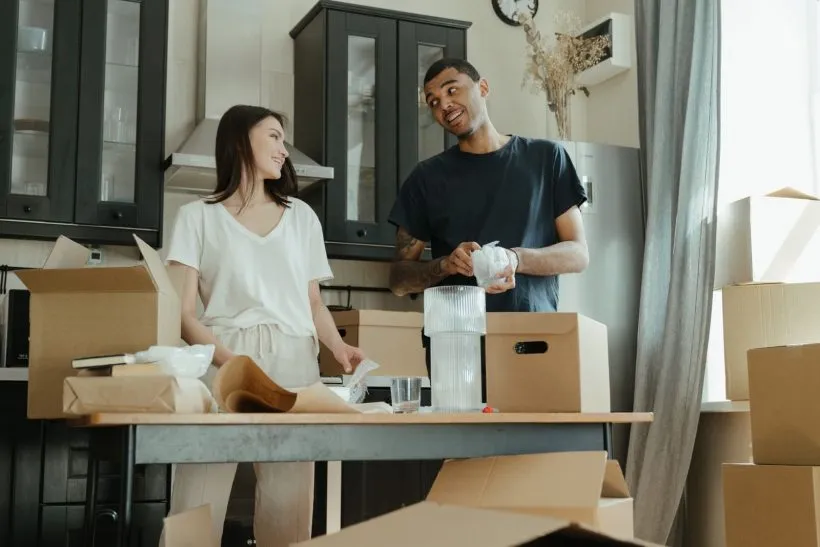
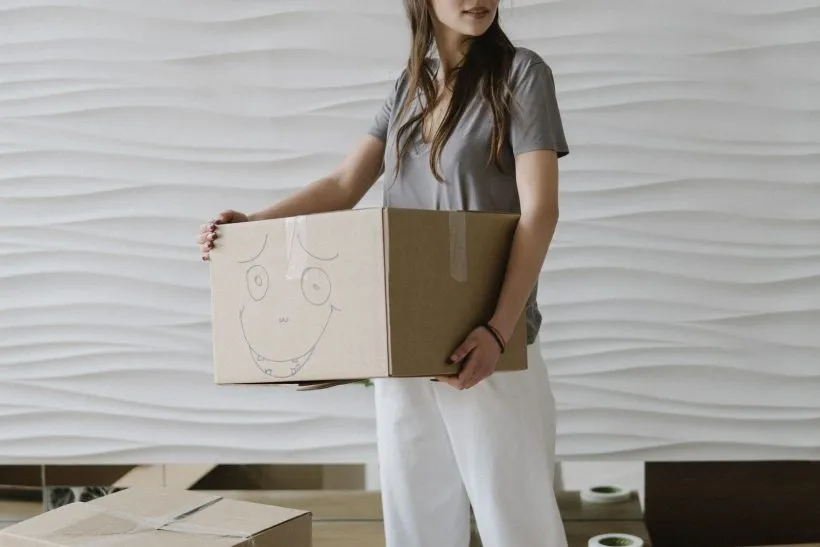
Moving is one of the easiest ways to bring bed bugs into a fresh home. If you have bed bugs now, the safest order is to treat before the move, wash and dry fabrics on high heat, pack clothes in sealed bags, inspect and treat beds and sofas before they are loaded, and consider treating the new property before furniture goes in. We can coordinate the move and both treatments for you.
What is not included
- Treatment of neighbouring units or common corridors. In blocks of flats, this is often needed and is quoted separately.
- Whole-building or whole-room heat treatment.
- Replacement of mattresses or encasements, though we can advise on suitable covers.
- Laundry of your bedding and clothes, which is part of your preparation.
What affects the price of bed bug treatment
| Factor | Effect |
|---|---|
| Number of rooms affected | Each bedroom and seating area adds inspection and treatment time |
| Furniture | Upholstered sofas, headboards and complex bed frames take longer |
| Severity | A long-standing problem across several rooms needs more product and time |
| Property type | Hostels, rentals and Airbnbs may need treatment between occupants and discreet scheduling |
| Number of visits | Two visits are always included; a third is planned if evidence remains |
Send photos of the room and what you found on WhatsApp and we will give you a firm price. Our guide to fumigation costs in Nairobi explains the pricing factors in more detail.
Realistic expectations
Bed bug work either succeeds completely or it fails, and the difference usually comes down to preparation, coverage and the second visit. We will not promise that every egg is destroyed on the first day, because no honest company can. What we commit to is a thorough inspection, treatment of every likely harbourage, a timed second visit, and a return if there is still evidence after the agreed window.
Common mistakes
- Sleeping on the sofa or in another room. The bugs follow and spread.
- Throwing out the mattress before treatment. It spreads them through the house and stairwell and is usually unnecessary.
- Spraying with household insecticide. It scatters them and can make them harder to treat.
- Skipping the second visit. Newly hatched bugs survive and the cycle restarts.
- Bringing in second-hand furniture without inspecting it.
Areas we serve
We treat homes, rentals, Airbnbs, hostels and offices across Nairobi and nearby, including Kilimani, Westlands, Lavington, Karen, South B, South C, Embakasi, Ruaka, Ruiru, Kikuyu, Ngong, Syokimau and Kitengela. Discreet, unmarked arrival is available on request.