Cockroach Infestation in Your Kitchen: Causes, Warning Signs and Solutions
Cockroaches love kitchens for three reasons: food, water and warmth. Here is how to spot an infestation early, find where they hide, and stop them coming back.
By Cleantique SolutionsPublished 5 min read
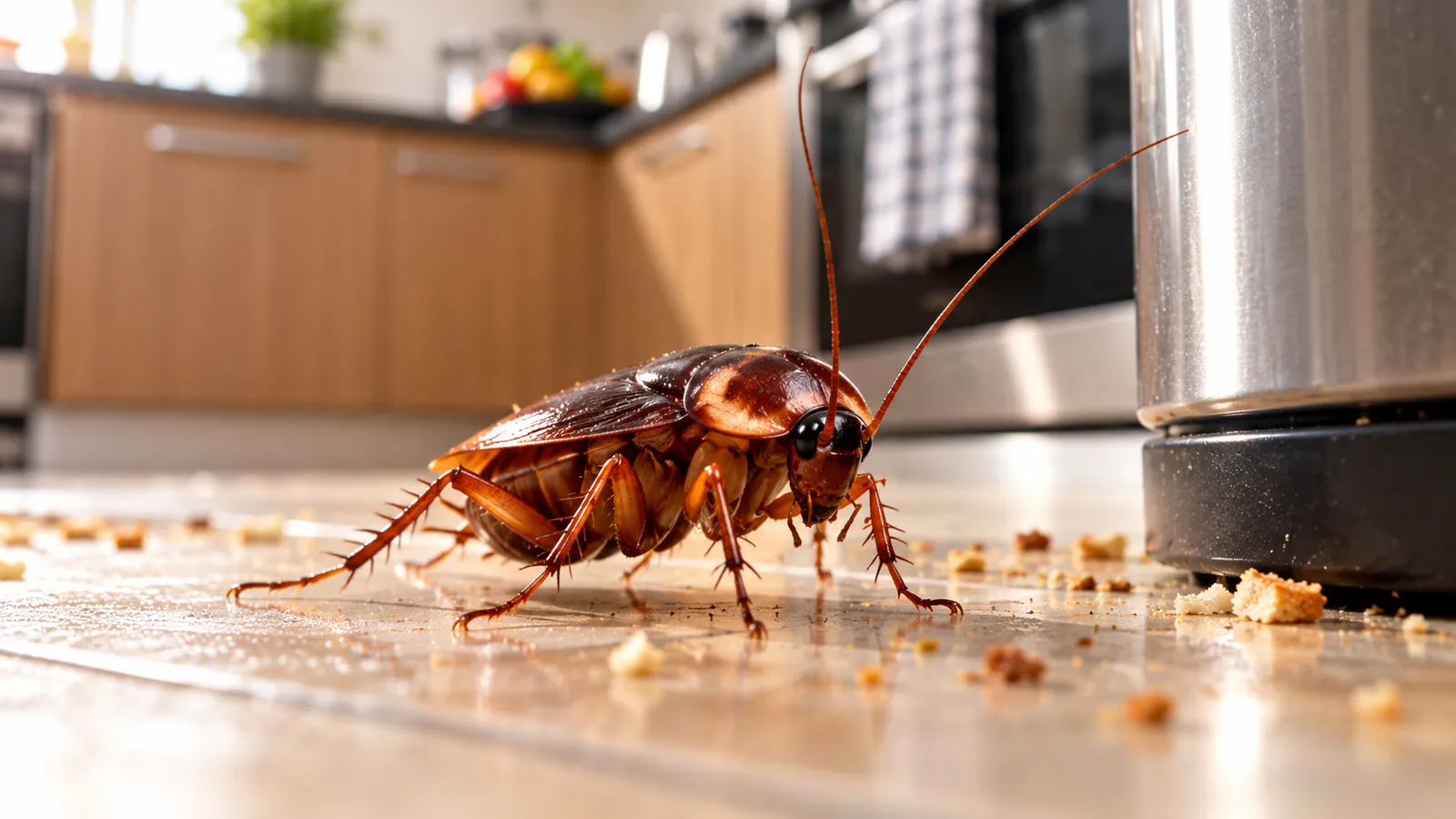
You switch on the kitchen light at night and something scuttles behind the cooker. Most of us have been there. One cockroach is not necessarily an infestation, but cockroaches rarely travel alone, and a kitchen gives them everything they need to multiply quickly.
This guide explains why cockroaches choose kitchens, how to tell how serious the problem is, where they hide, what you can do straight away and when a professional treatment is worth it.
Which cockroaches are in Nairobi kitchens?
Two species account for most kitchen problems:
- German cockroach. Small (about 1.5cm), light brown with two dark stripes behind the head. It lives indoors, close to food and warmth, and breeds very quickly. This is the one behind most kitchen infestations in flats and restaurants.
- American cockroach. Much larger (up to about 4cm), reddish-brown. It often lives in drains, sewers, manholes and damp basements and comes up into kitchens and bathrooms through pipes and drains.
The distinction matters. German cockroaches need treatment inside the kitchen. American cockroaches often need attention to drains and the outside of the building as well.
Why cockroaches settle in kitchens
Cockroaches need food, water and shelter. A kitchen provides all three:
- Food: crumbs under appliances, grease on the cooker and splashback, uncovered food, pet food left out overnight, dirty dishes and open bins.
- Water: dripping taps, leaks under the sink, condensation behind the fridge, wet sponges and dish racks.
- Warmth and shelter: fridge motors, cooker backs, cabinet voids, the gap behind kickboards and cracks around pipes.
They often arrive with groceries, cardboard boxes, second-hand appliances or from neighbouring flats through shared plumbing.
Warning signs of an infestation
| Sign | What it tells you |
|---|---|
| Cockroaches running when you switch on the light | They are established nearby |
| Cockroaches in daylight | The population is large or hiding places are crowded |
| Droppings like ground black pepper in drawers and cupboards | Regular activity in that area |
| Brown, capsule-shaped egg cases | They are breeding |
| Dark smear marks along edges and corners | Regular travel routes |
| A musty, oily smell in cupboards | A larger infestation |
| Small cockroaches (nymphs) | Breeding is happening on site |
Where cockroaches hide
Look with a torch at night, or early in the morning:
- Behind and under the fridge, cooker and microwave, including the motor area.
- Inside the cabinet under the sink, especially around pipe entries.
- In cupboard hinges, corners and the void behind the kick plate.
- Around drains and floor traps.
- Behind loose tiles, skirting and splashbacks.
- Inside appliances such as toasters, kettles and coffee machines in heavy infestations.
- In stored cardboard boxes and paper bags.
What to do straight away
These steps reduce cockroach numbers and make any treatment far more effective:
- Remove food sources tonight. Wipe worktops and the cooker, sweep under appliances, wash dishes before bed, store food in sealed containers and do not leave pet food out.
- Take rubbish out daily and use a bin with a tight lid.
- Fix water sources. Repair dripping taps and leaks, dry the sink at night and avoid leaving wet cloths.
- Clear cardboard. Remove stored boxes and paper bags from kitchens and stores.
- Seal what you can. Fill small gaps around pipes and along skirting with sealant.
- Cover drains at night with a plug or cover, especially if you see large cockroaches.
Why sprays often make it worse
Supermarket aerosols kill the cockroaches they hit, but most of the population is hidden. Spraying can drive them deeper into walls and into neighbouring rooms or flats, and it contaminates surfaces where you prepare food. Some products also make professional baits less attractive, so the next treatment is less effective.
How professional cockroach control works
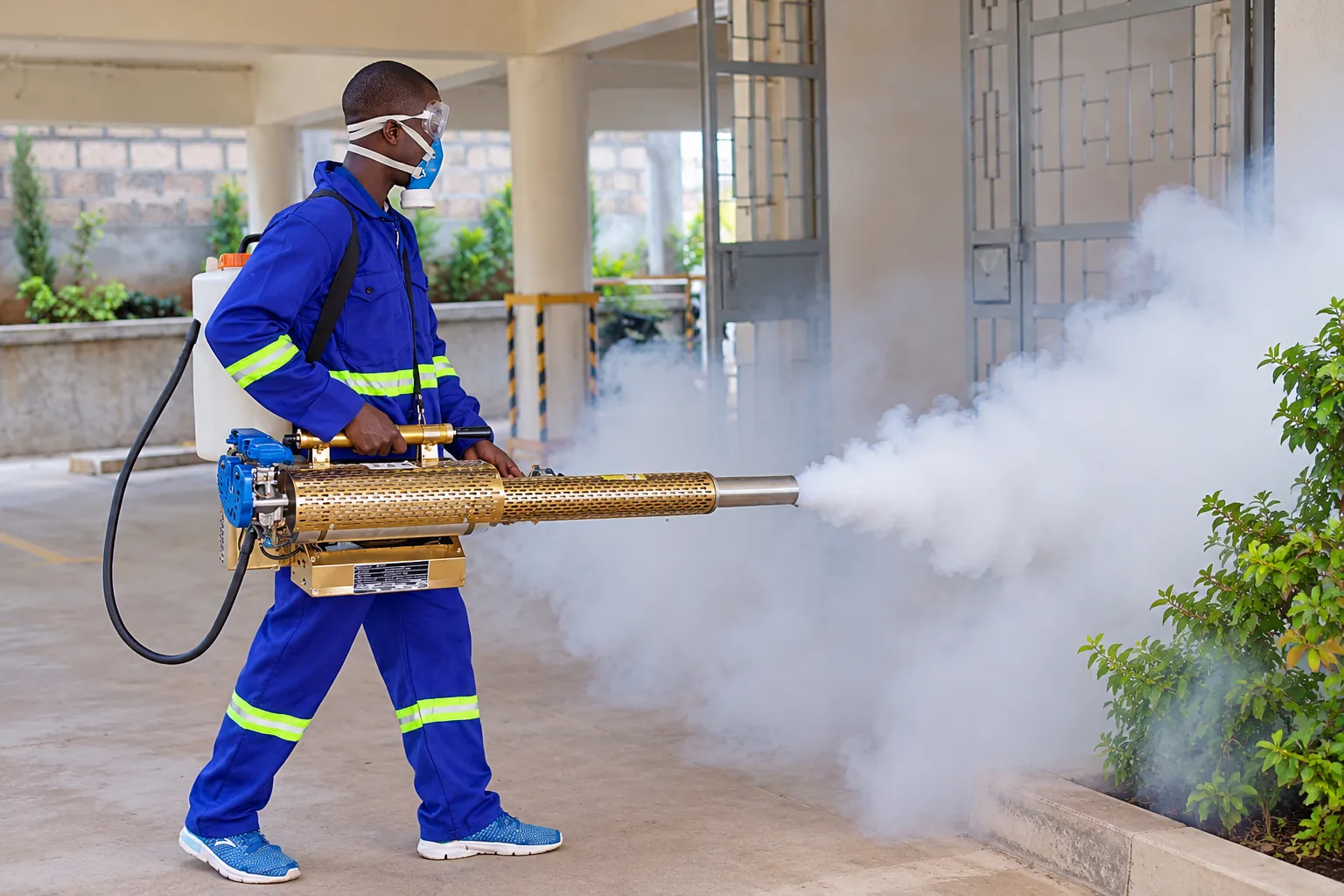
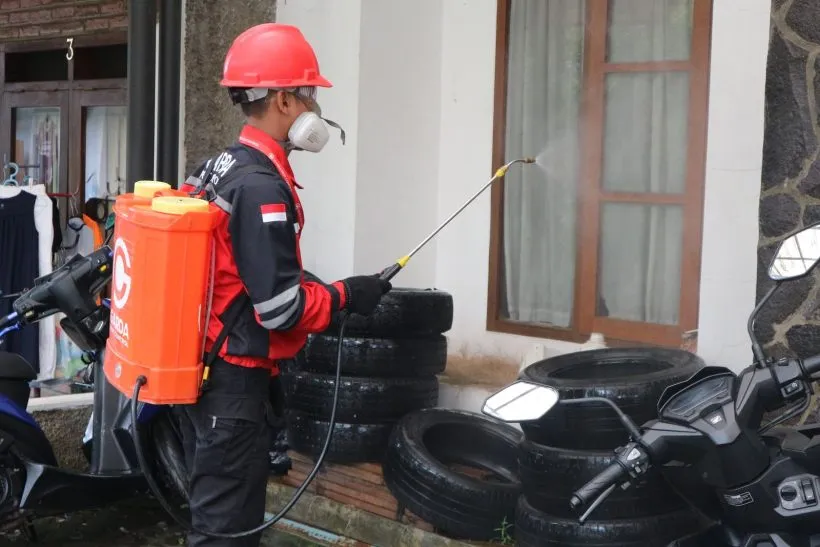
Professional treatment focuses on where cockroaches live rather than where you see them:
- Inspection to identify the species, find harbourages and judge severity.
- Gel bait placed in small spots in cracks, hinges and voids. Cockroaches feed on it and carry it back to the harbourage, where it affects others.
- Residual treatment to cracks, skirting and drain surrounds so cockroaches moving through pick it up.
- Review visit after about two weeks to check activity, top up bait and treat any remaining hotspots, because egg cases can hatch after the first treatment.
See our cockroach control service for details.
What to expect after treatment
- You may see more cockroaches for a few days, sometimes in daylight. This is the treatment driving them out.
- Activity should reduce steadily over one to two weeks.
- Do not wipe away the bait or wash treated edges until advised.
- Keep up the food and water changes so the bait is the most attractive food available.
Cockroaches in flats and apartments
In apartment blocks, cockroaches move between units through shared drains, pipe ducts and service shafts. Treating one kitchen helps, but if neighbours have a problem the cockroaches can return. If you suspect this, talk to your neighbours or management. A coordinated treatment of several units, or the whole block, is far more effective.
Restaurants and food businesses
Commercial kitchens have more food, more heat and more hiding places, and a cockroach sighting can damage a reputation quickly. They need:
- Out-of-hours treatment that avoids food preparation areas.
- A programme of bait and reviews rather than a one-off spray.
- Strong daily cleaning routines, especially under equipment.
- Inspection of incoming deliveries and removal of cardboard.
Prevention checklist
- Store food in sealed containers, not open packets.
- Wipe surfaces and sweep under appliances every night.
- Do not leave dishes or pet food out overnight.
- Take rubbish out daily; keep bins lidded.
- Fix leaks and dry sinks at night.
- Remove cardboard boxes promptly.
- Seal gaps around pipes and skirting.
- Cover drains at night.
- Book a deep clean to remove built-up grease, especially behind appliances.
Frequently asked questions
Does seeing one cockroach mean an infestation?
Not always, but cockroaches are rarely alone. If you see one at night in the kitchen, check for droppings and egg cases. If you find them, there is a breeding population nearby.
Are cockroaches dangerous?
They can contaminate food and surfaces with bacteria and their droppings and shed skins can trigger allergies and asthma in some people. That is why it is worth dealing with them promptly.
How long does it take to get rid of cockroaches?
With professional baiting and a review visit, most domestic kitchens see a clear reduction within one to two weeks. Heavy infestations and commercial kitchens can take longer.
Can I stay at home during treatment?
For gel baiting, usually yes. If a residual spray is also used, you may be asked to stay out of the treated rooms for a short time and ventilate before cooking.
If cockroaches have settled in your kitchen, send us a photo or request a quote.
About this guide
Written by the Cleantique Solutions team for homes and businesses in Nairobi. It is general guidance, not a substitute for an inspection or professional advice about your specific property. If anything here is unclear or out of date, tell us at hi@cleantique.co.ke.