Office Cleaning Checklist: What Every Business Should Include
Daily, weekly, monthly and periodic tasks for workstations, washrooms, kitchenettes and shared areas, and how to turn them into a scope your cleaning provider can be held to.
By Cleantique SolutionsPublished 4 min read
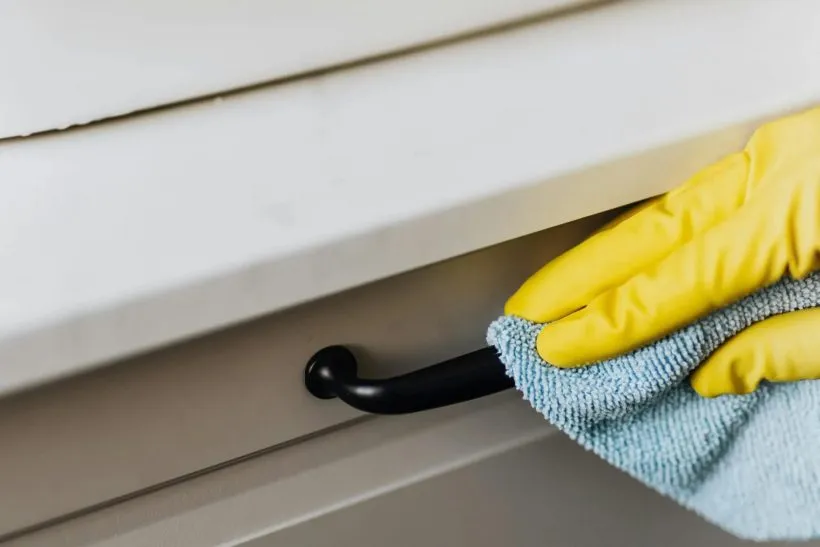
A clean office is something nobody notices until it is not clean. Overflowing bins, a sticky kitchenette, an unpleasant washroom or a dusty reception desk send a message to staff and visitors alike. The way to avoid that is not a vague “clean the office” instruction, but a clear checklist that says what is cleaned, where and how often.
Use this checklist to plan your own office cleaning or to agree a scope with a cleaning provider.
Daily tasks
Workstations
- Empty bins and replace liners
- Wipe clear desk surfaces (leave papers and personal items untouched)
- Dust monitors and phones
- Push in chairs
Reception and waiting areas
- Wipe the reception desk and counters
- Clean glass doors and entrance panels
- Tidy seating and magazines
- Vacuum or mop floors
Washrooms
- Clean and disinfect toilets, urinals and seats
- Clean basins, taps and mirrors
- Restock toilet paper, hand soap and hand towels
- Empty bins, including sanitary bins
- Mop floors with disinfectant
Kitchen and break areas
- Wipe counters, tables and chairs
- Clean the sink and taps
- Wipe appliance exteriors (fridge, microwave, kettle, coffee machine)
- Empty bins and recycling
- Mop floors
High-touch points
- Door handles and push plates
- Light switches
- Lift buttons and handrails
- Shared phones, printers and photocopier panels
- Meeting room tables and chair arms
Floors
- Vacuum carpets in walkways
- Mop hard floors in high-traffic areas
- Spot-clean spills and marks
Weekly tasks
- Vacuum all carpeted areas thoroughly, including under desks where accessible
- Mop all hard floors
- Clean the inside of the microwave
- Wipe skirting in high-traffic areas
- Clean interior glass partitions
- Dust window sills, shelves and filing cabinets
- Wipe meeting room whiteboards (if agreed)
- Clean bin exteriors
Monthly tasks
- Clean inside the fridge and dispose of old food (with notice to staff)
- Dust high-level surfaces, light fittings and air vents
- Clean door frames and doors
- Wipe chair bases and legs
- Descale washroom taps and fittings
- Wash bins
Periodic tasks (quarterly or twice a year)
- Carpet extraction cleaning
- Machine scrubbing and polishing of hard floors
- Upholstery cleaning for chairs and sofas
- Deep clean of washroom tiles and grout
- Interior window cleaning
- Deep clean of kitchen cupboards
- Pest control inspection, especially of kitchens and stores
Turning the checklist into a scope
A checklist becomes useful when it is part of a written agreement. A good office cleaning scope sets out:
- Areas included and excluded. List rooms that must not be entered, such as server rooms or executive offices with confidential material.
- Tasks and frequencies, using a checklist like the one above.
- Timing. Early morning, evening or overnight, and how this fits with your working hours and building rules.
- Consumables. Who supplies hand soap, toilet paper, hand towels and bin liners.
- Access and security. Key holding, alarm codes and out-of-hours access arrangements.
- Quality checks. How the work is checked and how issues are reported and fixed.
- Review. When the scope will be reviewed as the office changes.
Hygiene priorities
If time or budget is limited, put these first:
- Washrooms affect health and comfort more than any other area.
- Kitchens attract pests if food and grease are left.
- High-touch points spread germs between people.
- Waste that is not removed daily creates smells and attracts pests.
Confidentiality
Cleaners should not read, move or dispose of papers left on desks. Confidential waste should go into locked bins for a shredding provider, not into general waste. Agree these rules in writing.
How often should your office be cleaned?
| Office type | Typical frequency |
|---|---|
| Busy office with many staff, clinic, or premises open to the public | Daily |
| Medium office with moderate use | Three times a week, with washrooms and kitchens daily if possible |
| Small, lightly used office | Once or twice a week |
Signs your current cleaning is not working
- Complaints about washrooms or kitchens by mid-week.
- Dust visible on desks, sills and monitors.
- Bins overflowing before the next visit.
- Consumables running out.
- Pests such as cockroaches in the kitchenette.
- No clear answer when you ask what is included.
Frequently asked questions
Should staff clean their own desks?
Staff should clear their desks of papers and personal items at the end of the day so that cleaners can wipe the surface. Cleaners should not move personal belongings.
How do we handle cleaning during working hours?
Most offices prefer cleaning outside working hours. If daytime cleaning is needed, focus on washrooms, kitchens and high-touch points and avoid noisy tasks in work areas.
What should be in a cleaning contract?
A written scope, frequencies, timing, consumables, access arrangements, quality checks, a review process and notice terms.
Our office cleaning service works to a written scope outside your working hours. Arrange a site visit to get a scope and quote for your premises.
About this guide
Written by the Cleantique Solutions team for homes and businesses in Nairobi. It is general guidance, not a substitute for an inspection or professional advice about your specific property. If anything here is unclear or out of date, tell us at hi@cleantique.co.ke.