End of Lease Fumigation: Why Some Nairobi Landlords Require It When You Move Out
Some leases require the outgoing tenant to arrange fumigation before handover. Here is why, what it typically covers, and how to combine it with your move.
By Cleantique SolutionsPublished 4 min read
If you are moving out of a rented flat or house in Nairobi and your lease requires fumigation before handover, you are not alone, and it is not an unusual request. Plenty of tenancy agreements in Nairobi include a clause requiring the outgoing tenant to arrange and pay for pest control, sometimes alongside professional cleaning, before the deposit is returned. This guide explains why landlords ask for it, what a reasonable version of it covers, and how to time it so it does not slow down your move.
Why landlords ask for this
From a landlord's perspective, an empty unit between tenants is the easiest time to treat it, and the cheapest way to avoid an incoming tenant complaining about a pest problem left behind by the last one. Pests such as cockroaches and bed bugs can be introduced by any tenant's belongings and, once established, are the next tenant's problem unless dealt with at handover. Requiring it as a lease condition shifts that responsibility to whoever is leaving, rather than leaving it to chance.
This is common enough that it is worth checking your tenancy agreement before you move, rather than finding out at the final inspection.
What end of lease fumigation typically covers
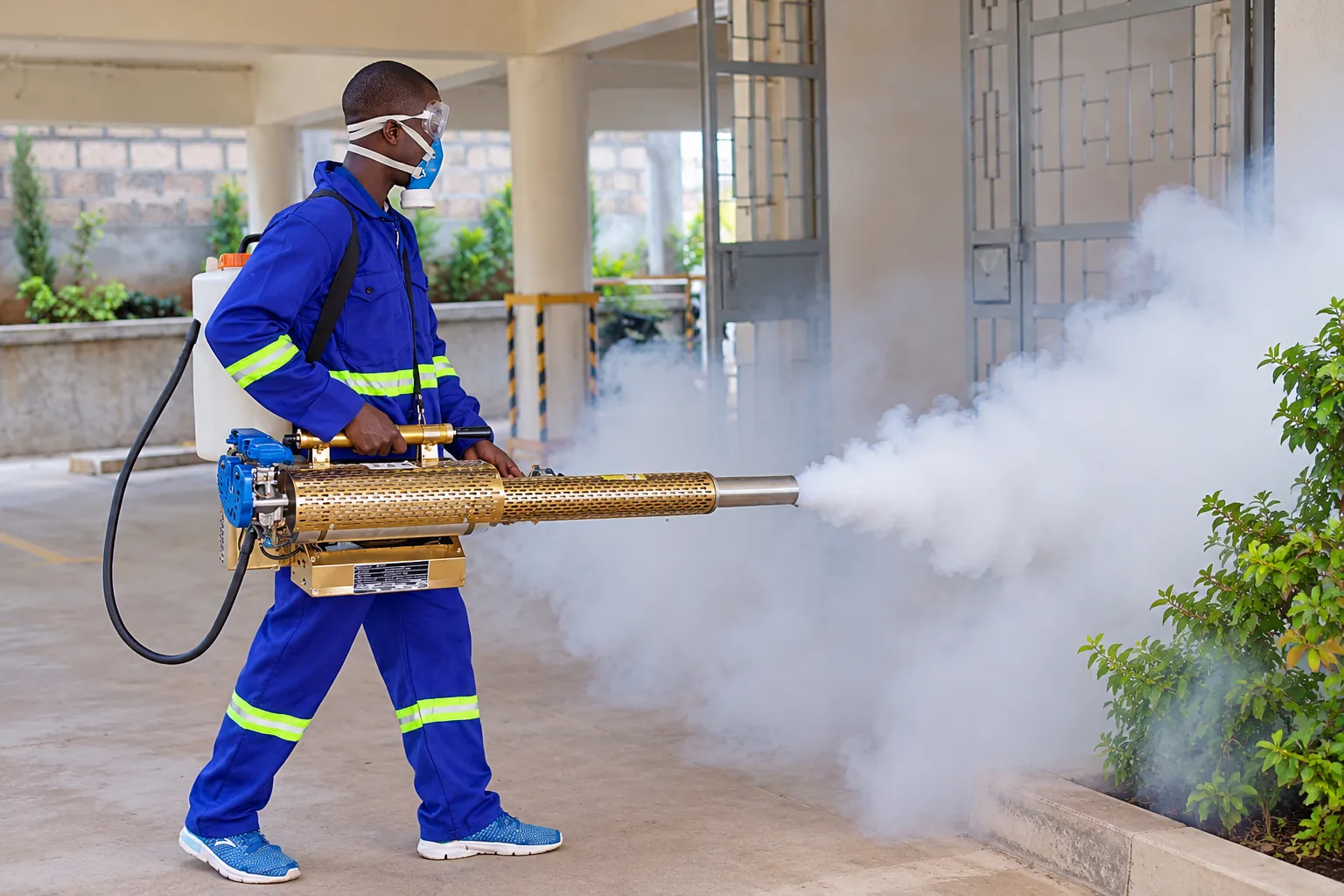
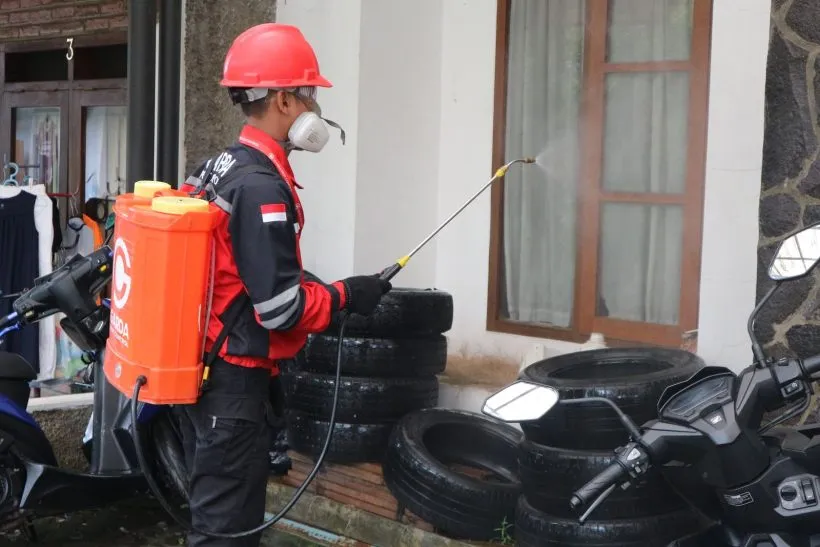
A move-out treatment is usually a general pest control pass rather than treatment for one specific, confirmed infestation:
- Cockroach treatment in the kitchen, bathrooms and storage areas, the most commonly required element.
- General indoor pest treatment, covering common entry points and resting areas.
- Bed bug treatment, if there is any sign of them, since an empty property is the easiest and most thorough time to treat.
An empty unit is genuinely the best time to do this: every surface, cupboard and corner can be reached, which is not possible with furniture and belongings in place. See our pest control page for how we approach a full property like this.
How to time it against your move
- Check your lease early, not in the final week, so you know exactly what is required and can book around your actual move-out date.
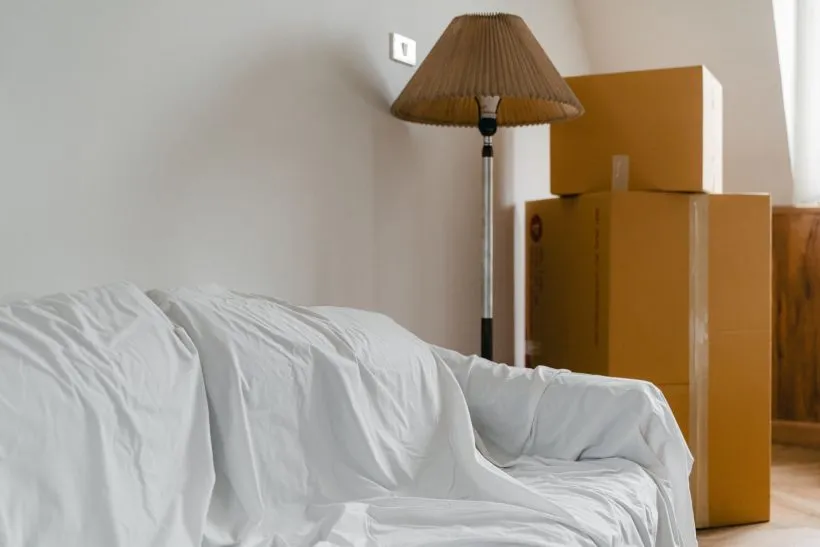
- Pack and clear the property first. Treatment of an empty unit is faster and more thorough, and if you still have belongings in boxes, some areas will be inaccessible.
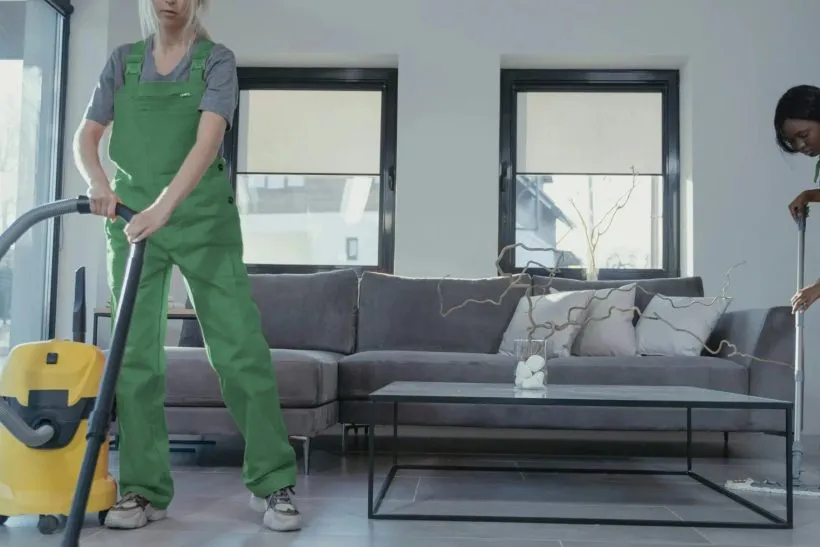
- Book fumigation before cleaning, not after. A final move-out clean should happen after pest treatment, not before, so you are not re-cleaning surfaces that were just treated.
- Keep the written confirmation. If the lease requires proof, our guide on fumigation certificates in Kenya explains what a useful document should state, so you have something specific to hand to your landlord, not just a verbal assurance.
- Schedule it close to your actual handover date, not weeks ahead, so the property is still clear when the landlord inspects it.
What about pet fumigation at the end of a lease?
Some leases specifically mention "pet fumigation" at move-out, aimed at fleas that can be left behind in carpets and soft furnishings by a cat or dog, even after the pet has gone. If you kept a pet in the unit, this is worth doing regardless of whether your lease mentions it by name, since flea eggs and larvae can sit dormant in carpets for weeks and become the next tenant's sudden, unexplained problem. Tell us when you book if a pet lived in the property, so we can treat for this specifically.
Combining it with your move
If you are moving house, treatment, cleaning and the move itself are easier to coordinate as one plan rather than three separate bookings with three separate companies. Our guides on moving house in Nairobi and move-in and move-out cleaning cover the rest of that handover process.
Frequently asked questions
Is end of lease fumigation a legal requirement in Kenya?
No, it is not a general legal requirement. It depends entirely on what is written in your specific tenancy agreement. Read your lease rather than assuming either way.
Who pays for it, the tenant or the landlord?
This is set by the lease, not a fixed rule. Many agreements place the cost on the outgoing tenant; others leave it to the landlord as part of ordinary property upkeep. Check the clause itself.
Can I combine fumigation with my move-out clean in one visit?
They are usually two separate visits with pest treatment first, since cleaning products and water can interfere with a fresh residual treatment. We can schedule both close together so the handover timeline still works.
What if my landlord asks for fumigation but I have had no pest problems?
That is still common, and worth doing anyway if your lease requires it. Treating an empty, pest-free unit is quick, and it gives you a clean record to hand over at inspection.
About this guide
Written by the Cleantique Solutions team for homes and businesses in Nairobi. It is general guidance, not a substitute for an inspection or professional advice about your specific property. If anything here is unclear or out of date, tell us at hi@cleantique.co.ke.