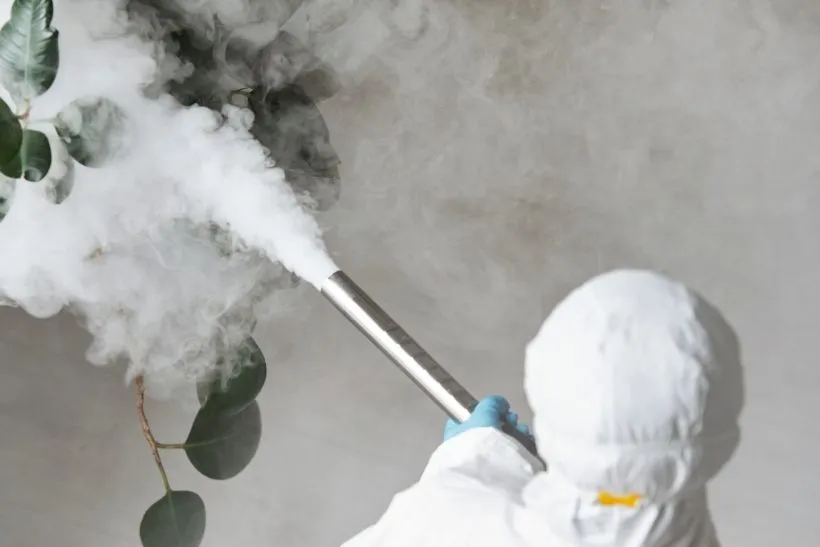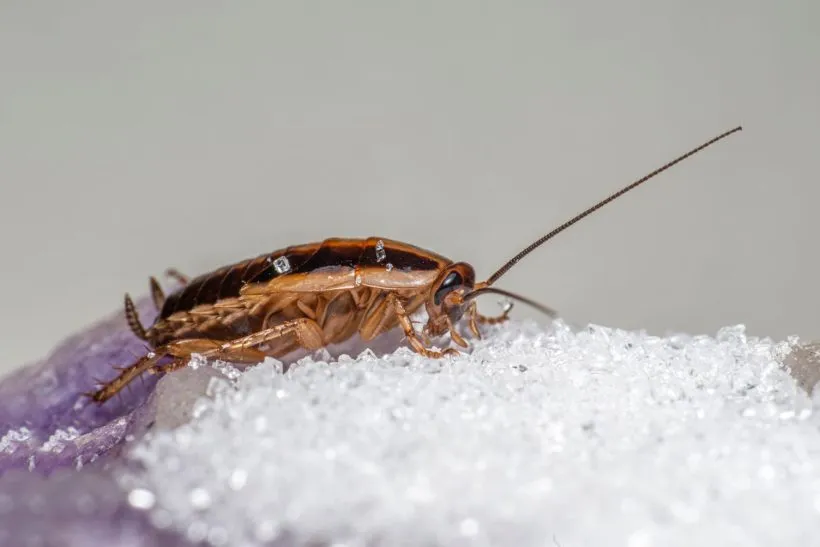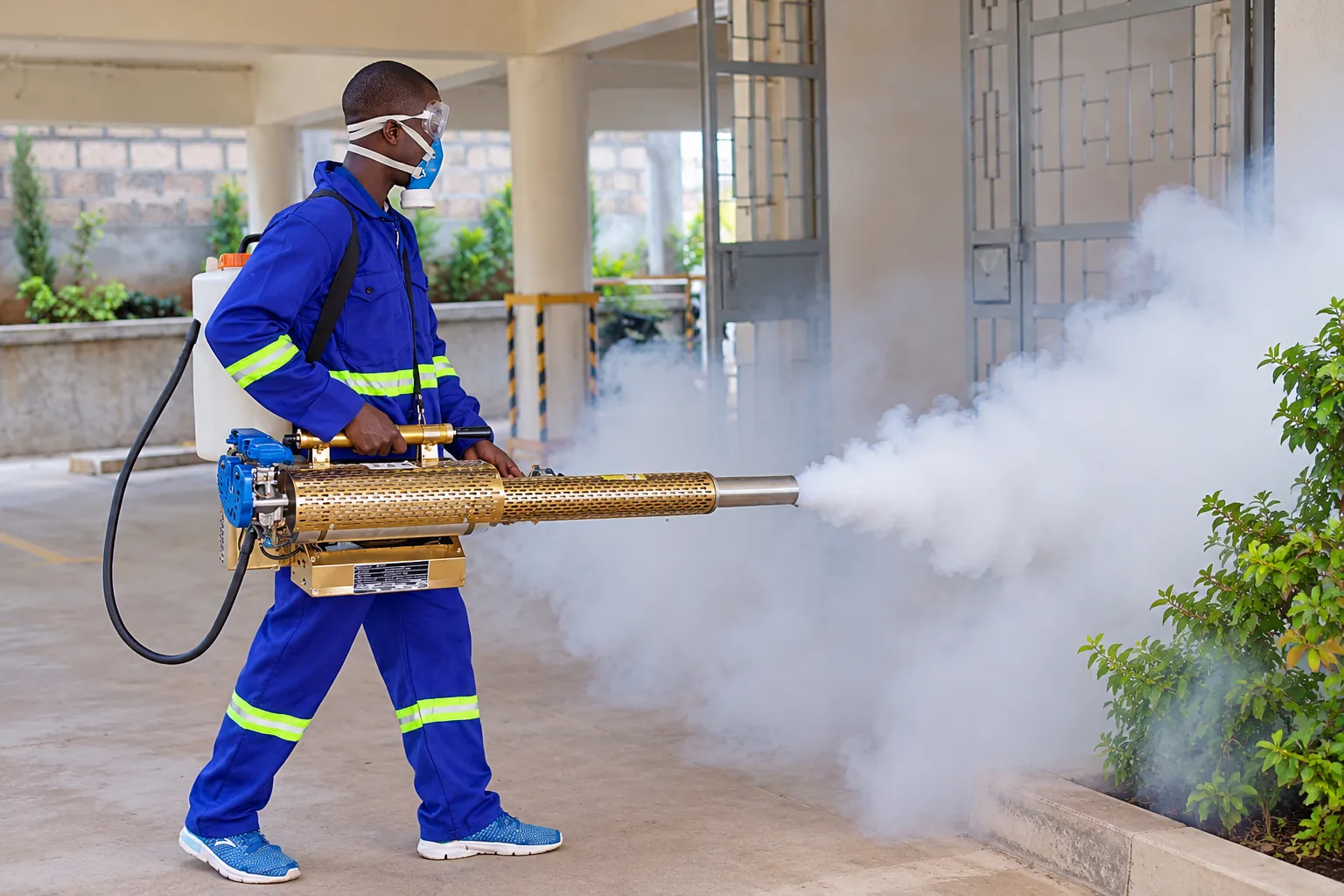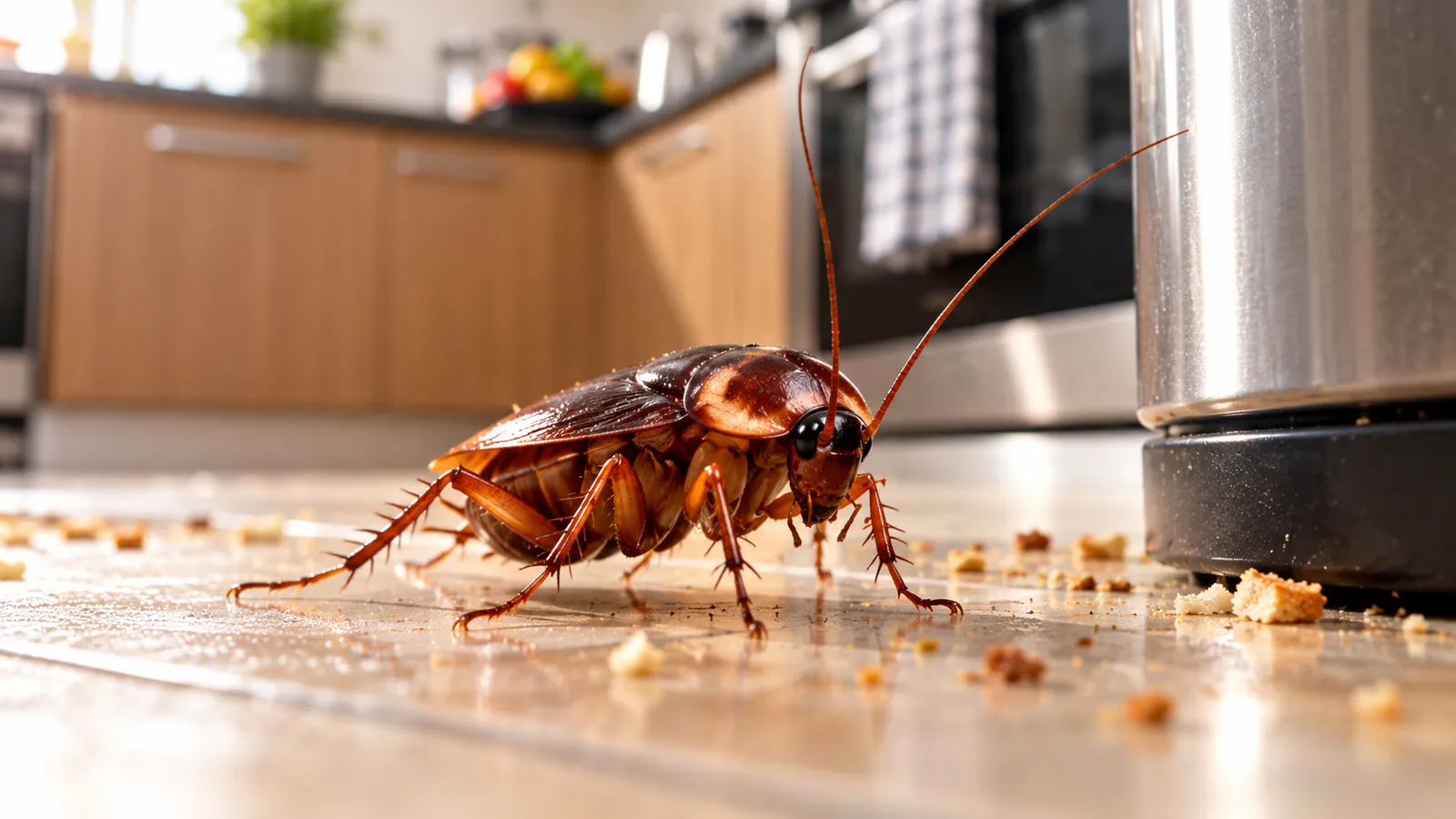
A car is one of the easiest places for a pest problem to go unnoticed, because you are inside it for short periods and the interior is small enough that a minor infestation can feel like it came from nowhere. Cockroaches hide inside door panels, under seats and around the boot lining; bed bugs settle into seat seams and headrests after travelling in on a bag or jacket. Both are harder to deal with in a vehicle than in a room, because there is less space to work in and more materials, from fabric to foam to plastic trim, that react differently to treatment.
Who this service is for
- Private car owners who have seen cockroaches, found bites after a journey, or bought a second-hand vehicle with signs of a previous infestation.
- Taxi and ride-hailing drivers, whose vehicles carry different passengers and their luggage every day.
- Matatu and fleet operators, who need vehicles treated and back in service with minimum downtime.
- Car hire and rental companies, who need a consistent standard between hires.
Signs your car may need treatment
- Cockroaches seen in the footwell, glovebox or boot, especially at night or when the car has been parked for a while.
- Small bites appearing after sitting in the car, particularly on legs or arms.
- Dark, pinhead-sized spotting on seat fabric or along seam lines.
- A musty smell from the upholstery with no obvious source.
- Pests coming from boxes, groceries or luggage that were placed in the car.
How we treat a vehicle
- Inspection. We check seat seams, under and behind seats, door panels, the boot and the boot lining, and the footwells, to confirm the pest and where it is established.
- Targeted treatment, not a blanket spray. Seams, frames, crevices and panel gaps are treated specifically, in the same way we treat harbourages in a building, rather than coating the whole interior.
- Material-appropriate products. Fabric, leather and plastic trim are treated differently, and we test on a small, hidden area first where needed.
- Closed-vehicle period. The car sits with doors and windows closed for the time the treatment requires.
- Ventilation and re-entry. We confirm when it is safe to open the car, ventilate it and use it again.
- Follow-up where needed. As with bed bugs in a home, an established infestation may need a second pass to catch anything that survived the first treatment.
What is included
| Area | What we do |
|---|---|
| Seats and seams | Targeted treatment of seams, frames and crevices where pests and eggs shelter |
| Footwells and carpets | Residual treatment to carpet edges and gaps |
| Door panels and boot | Treatment of panel gaps, boot lining and storage compartments |
| Dashboard and glovebox | Spot treatment of gaps and compartments where relevant |
Before we arrive
- Remove loose items, rubbish, food wrappers and personal belongings from the car.
- Tell us about any leather, suede or unusual upholstery material.
- Let us know if the vehicle will need to return to service by a specific time, so we can plan around it.
Why use a professional for a car instead of a shop-bought spray
A car's interior concentrates the same problem a shop-bought fogger has in a room, in a much smaller space: it kills what is out in the open and misses what is inside seams, panel gaps and foam. Our guide on DIY fumigation foggers explains this in more detail. For an established problem, targeted treatment placed where the pest actually lives gets a better result than a general spray.
Areas we serve
We carry out car fumigation across Nairobi, including at your home, office or a fleet depot, by arrangement. Ask us about your location.