DIY Fumigation Foggers: What They Can and Cannot Do
DIY foggers sold in Kenyan supermarkets and hardware shops do kill the insects they contact. The problem is almost everything they do not reach.
By Cleantique SolutionsPublished 4 min read
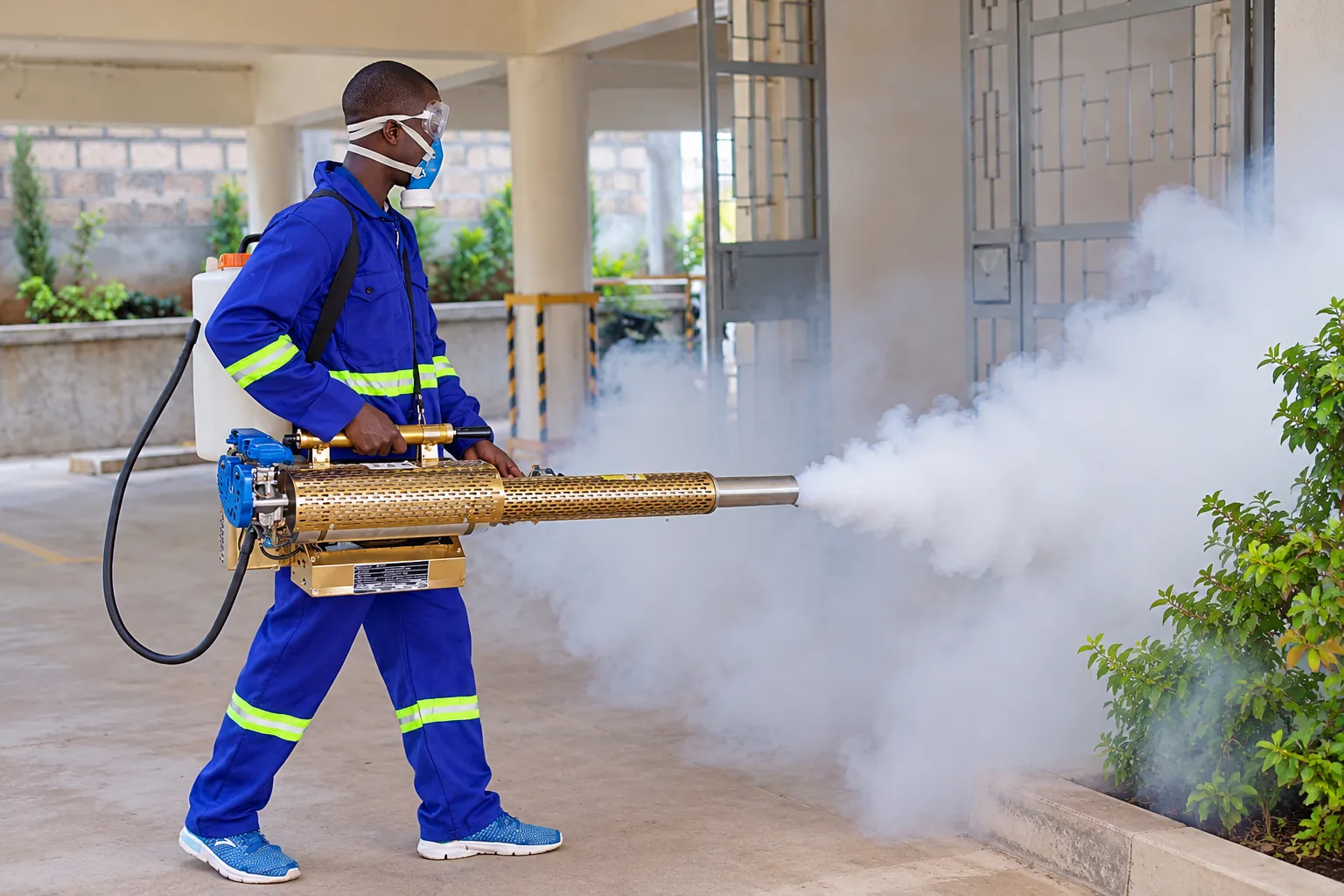
DIY insecticide foggers, often sold under brand names like Nuvan, are a common first step before calling a pest control company, and plenty of people buy one before searching for anything else. This guide is a straight look at what a DIY fogger actually does, where it reliably falls short, and how to tell when a problem has moved past what one can fix.
What a DIY fogger actually does
A fogger releases insecticide as a fine mist that settles on exposed surfaces in a room. It kills insects it directly contacts while airborne or shortly after, which is why it can look dramatically effective within an hour of use: dead or dying cockroaches and other insects out in the open, on floors and surfaces.
That visible result is real. It is also the limit of what the product can do.
Where DIY foggers fall short
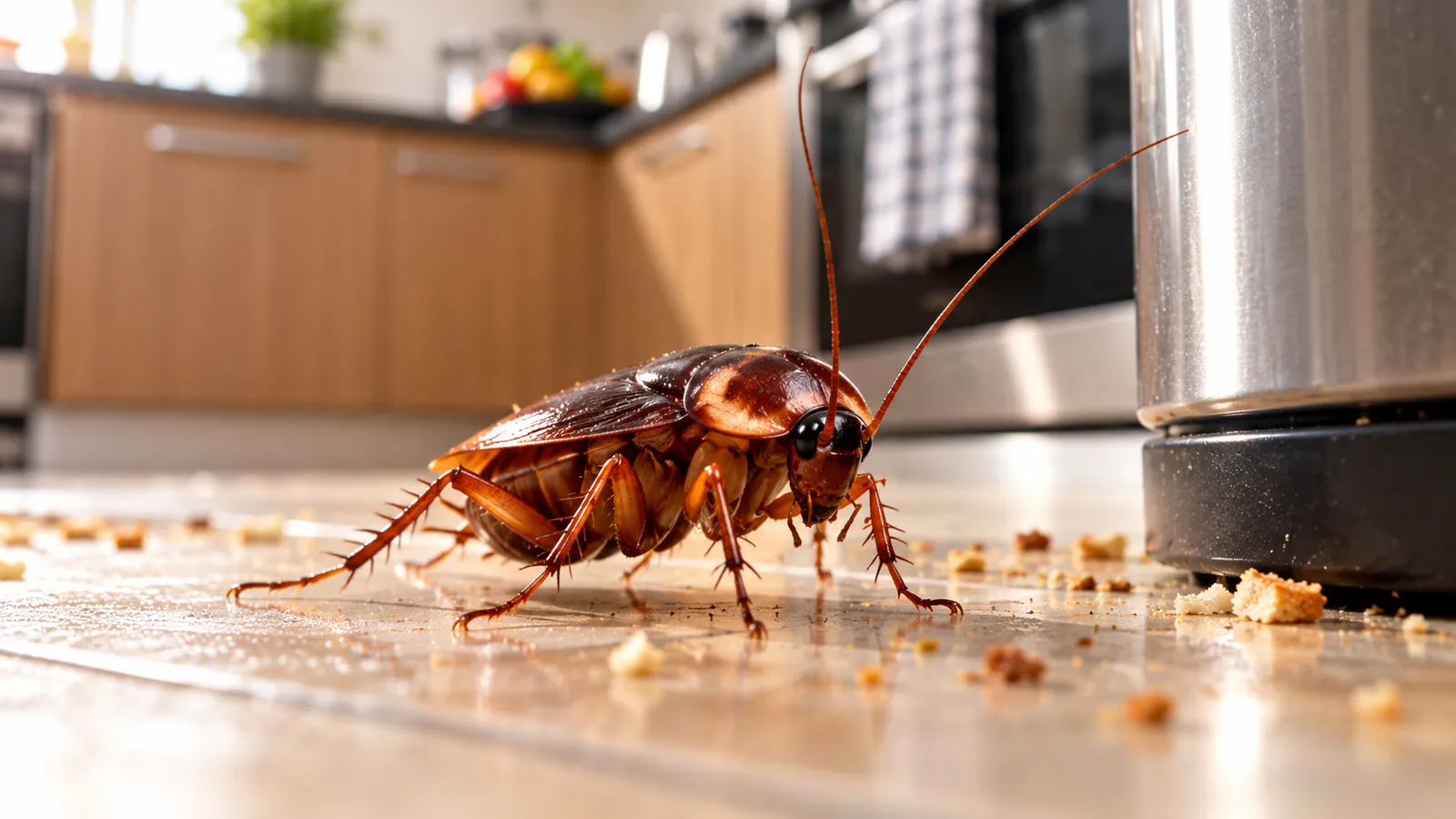
- They do not reach inside harbourages. Cockroaches shelter inside cabinet hinges, wall voids, motor housings and cracks that a fogger's mist never penetrates. A fogger kills the insects that were out in the open when it went off, not the colony living inside the walls.
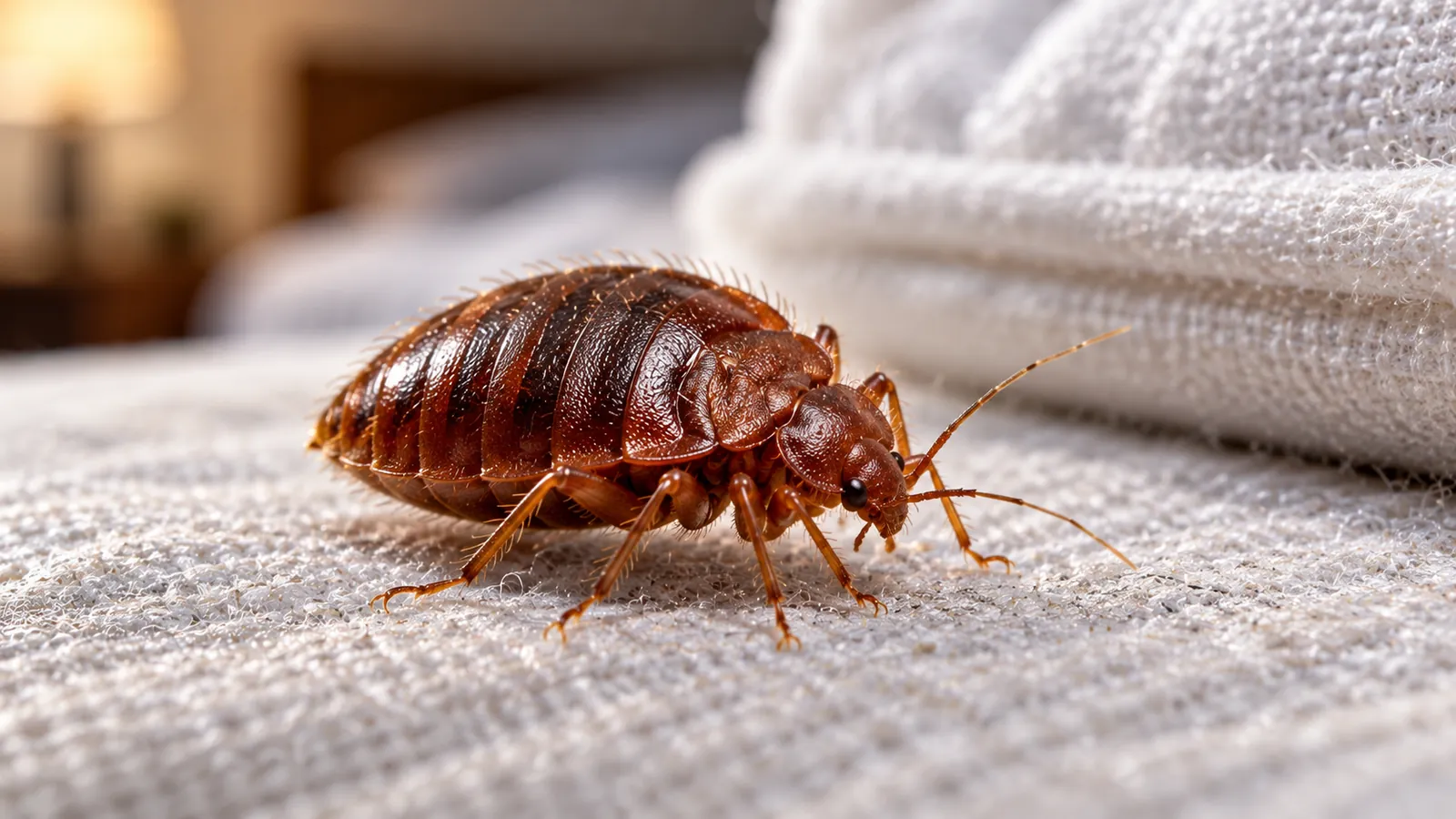
- They do not touch bed bug eggs. Bed bug eggs are protected in fabric seams, frame joints and skirting, and a fogger passing through the air does not reach them. This is the single biggest reason a DIY fogger "works" for a week and then the bites come back.
- They often scatter the problem instead of solving it. Cockroaches and bed bugs react to the irritation of a fogger by moving away from it, sometimes into neighbouring rooms, wall cavities or a neighbouring flat through shared service ducts. A problem confined to one room can become a problem in three.
- They are a blunt, one-time pass, not a programme. Professional cockroach and bed bug treatment is placed specifically in harbourages, uses a product that keeps working after application (unlike a fogger, which disperses and is gone within hours), and is followed up for pests whose eggs survive the first pass.
- Repeated use builds resistance and cost. Fogging the same room every few weeks because the problem keeps returning is both more expensive over time than one proper treatment, and can make the surviving population harder to control as it avoids whatever keeps being used on it.
When a DIY fogger is a reasonable choice
To be fair to the product: a single, confirmed, early-stage pest sighting in a small, enclosed space, where you can follow the instructions exactly and you are confident there is no established colony, is a reasonable situation to try one. It is a legitimate first response to a single wasp or mosquito surge in one room, for instance, used exactly as directed.
It is not a reasonable response to an established cockroach population, any bed bug sighting, or a recurring problem you have already tried to fog away more than once.
Signs it is time to stop fogging and call a professional
- You have used a fogger more than once for the same room and the pest came back within a few weeks.
- You are seeing cockroaches in daylight, which usually means the population is large.
- You have any sign of bed bugs at all: bites, dark spotting on the mattress seam, or shed skins. Foggers do not reach bed bug eggs, so this one rarely resolves on its own.
- The problem has spread to more than one room since you started fogging.
- You need proof of treatment for a landlord or lease requirement, which a can of fogger at home does not provide. See our guide on fumigation certificates in Kenya.
At that point, a professional visit costs less overall than another round of fogger cans and another few weeks of the problem continuing. Our pricing guide explains what goes into a fair quote.
Using a fogger safely, if you do use one
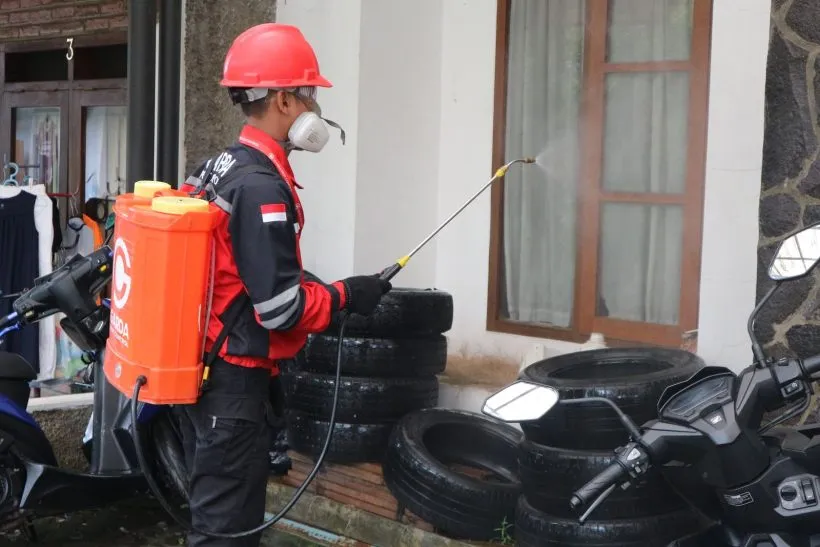
If you do decide to use a DIY fogger before calling anyone: follow the room-size guidance on the can exactly, remove or cover pets, fish tanks and food, leave the property for the time stated on the label, and ventilate thoroughly before returning. Never use more cans than the room size calls for in the hope of a stronger effect; it does not improve the result and increases the risk to people and pets in the home.
Frequently asked questions
Is a DIY fogger the same chemical as professional treatment?
Not usually. Professional treatments are selected and placed for the specific pest and location, often using bait or residual products rather than a dispersed fog, and are applied at rates and in locations a general consumer product is not designed for.
Why did the fogger work for two weeks and then stop?
This is the classic pattern with cockroaches and bed bugs. The fogger kills what it reaches on the day; anything sheltered in a crack, void or egg case survives and the population recovers over the following weeks.
Can I use a fogger and still call a professional afterwards?
Yes, but tell us you have already fogged the area when you book. It can affect where bait is still effective, since some pests avoid areas that smell of a recent insecticide application for a period afterwards.
Is fogging the same as fumigation?
In everyday use, people often use the words interchangeably, and our own pest control page explains the distinction between the two. Fogging is a dispersed mist for the insects it contacts; true fumigation is sealing a space and filling it with gas, used for specialist situations like grain stores, not for a typical home treatment.
About this guide
Written by the Cleantique Solutions team for homes and businesses in Nairobi. It is general guidance, not a substitute for an inspection or professional advice about your specific property. If anything here is unclear or out of date, tell us at hi@cleantique.co.ke.